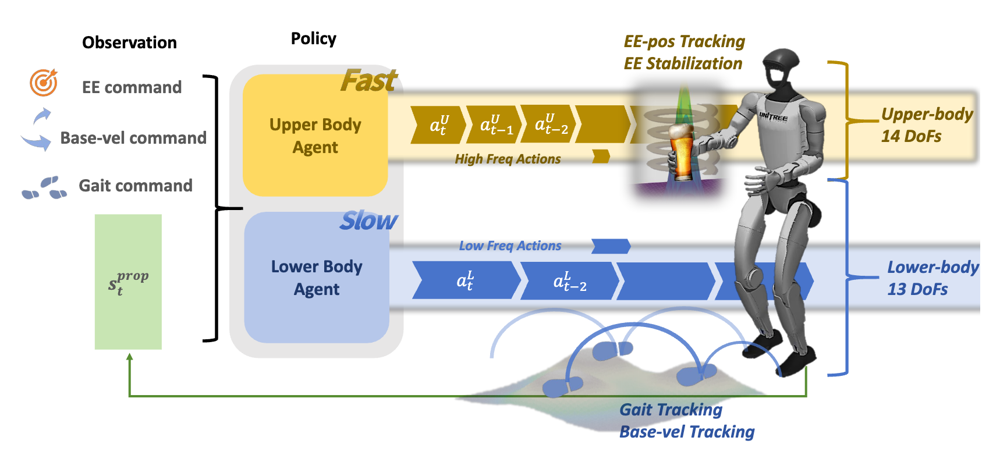
Learning Gentle Humanoid Locomotion and End-Effector Stabilization Control
Yitang Li, Yuanhang Zhang, Wenli Xiao, Chaoyi Pan, Haoyang Weng, Guanqi He, Tairan He, Guanya Shi
CoRL 2026
TL;DR: SoFTA separates fast upper-body stabilization from slower locomotion control, helping humanoids keep their hands steady while walking, carrying nearly full cups, or recording video.
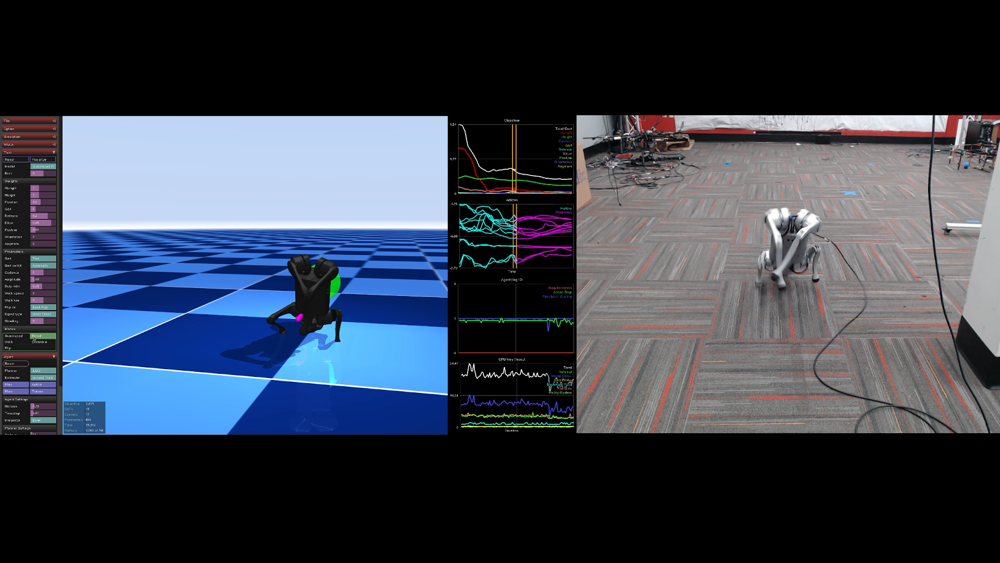
Whole-Body Model-Predictive Control of Legged Robots with MuJoCo
John Z. Zhang, Taylor A. Howell, Zeji Yi, Chaoyi Pan, Guanya Shi, Guannan Qu, Tom Erez, Yuval Tassa, Zachary Manchester
ICRA 2026
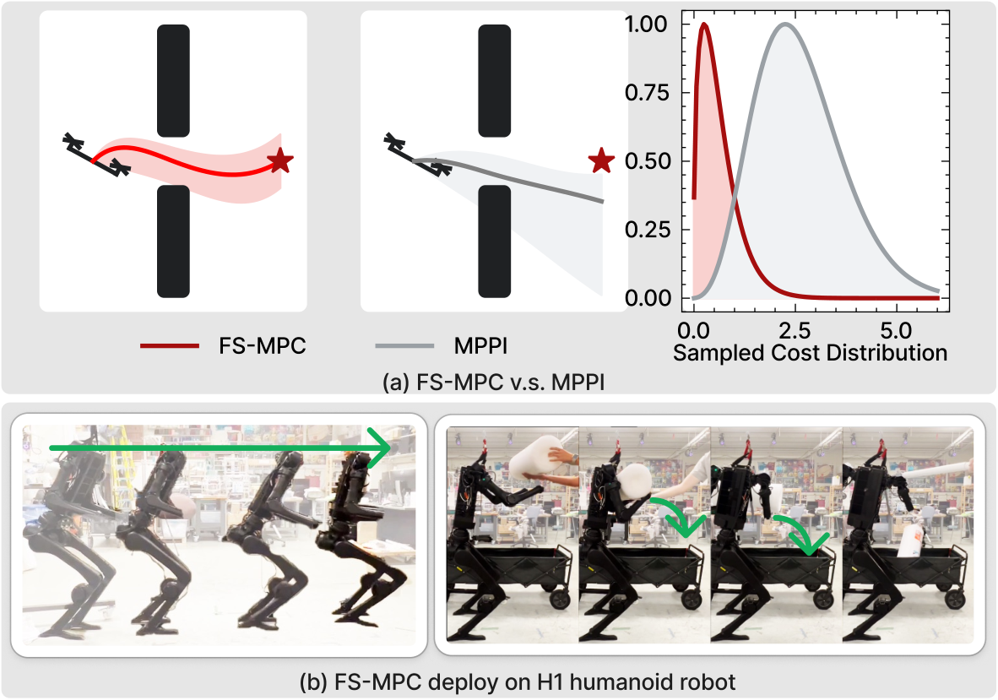
TL;DR: A simple combination of iLQR, MuJoCo dynamics, and finite-difference derivatives enables real-time whole-body control of physical quadrupeds and humanoids with few sim-to-real adjustments.
ASAP: Aligning Simulation and Real-World Physics for Learning Agile Humanoid Whole-Body Skills
Tairan He, Jiawei Gao, Wenli Xiao, Yuanhang Zhang, Zi Wang, Jiashun Wang, Zhengyi Luo, Guanqi He, Nikhil Sobanbabu, Chaoyi Pan, Zeji Yi, Guannan Qu, Kris Kitani, Jessica Hodgins, Linxi "Jim" Fan, Yuke Zhu, Changliu Liu, Guanya Shi
RSS 2025
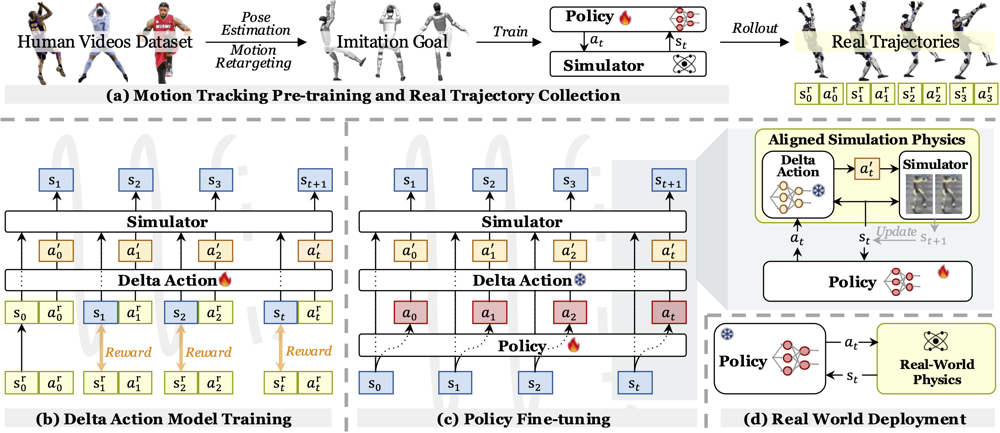
TL;DR: ASAP learns a residual action model from real-world data to correct simulation mismatch, then fine-tunes motion-tracking policies to enable more agile and coordinated humanoid skills.
In-Hand Manipulation of Unknown Shapes with Tactile Sensing
Chaoyi Pan*, Marion Lepert*, Shenli Yuan, Rika Antonova, Jeannette Bohg
IROS 2023
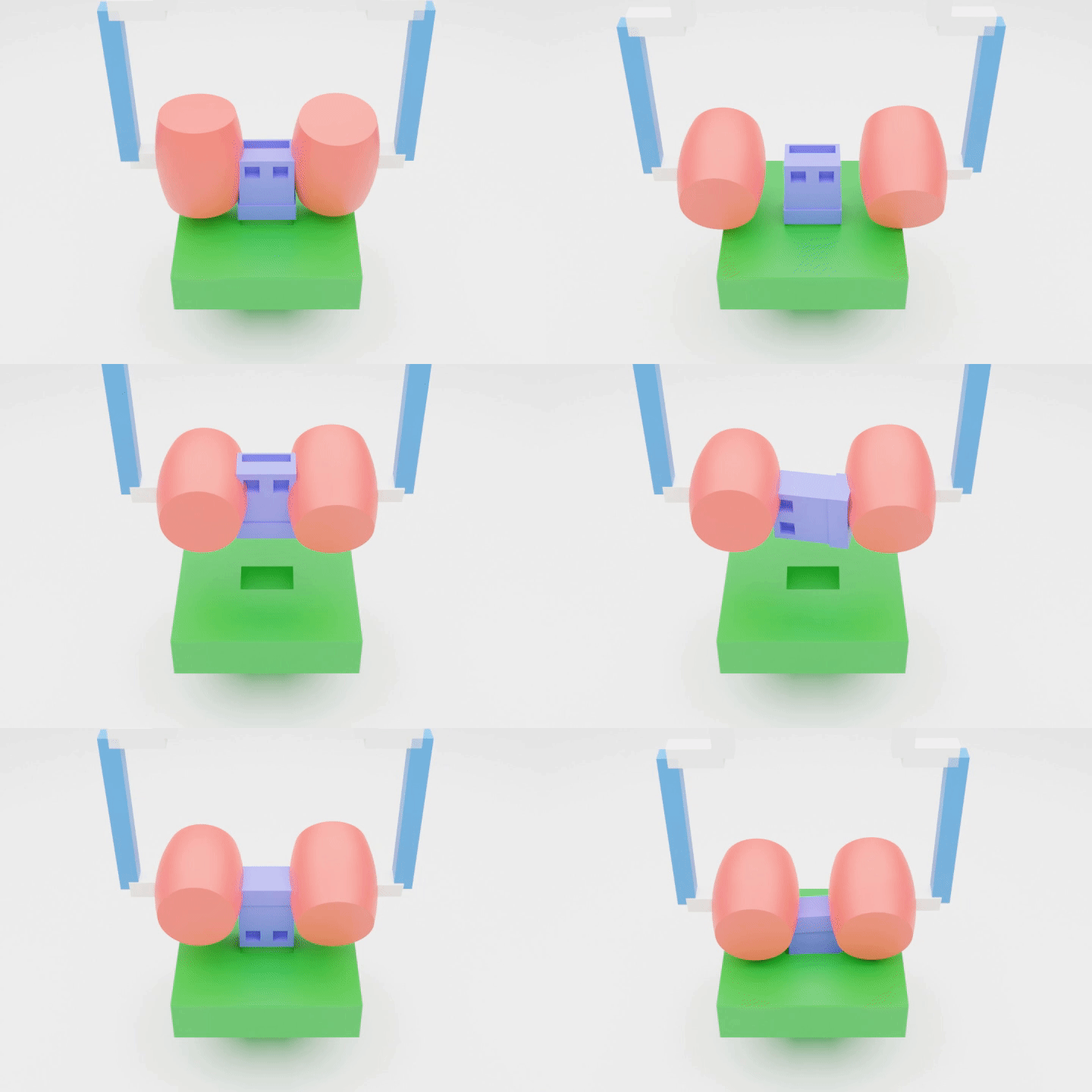
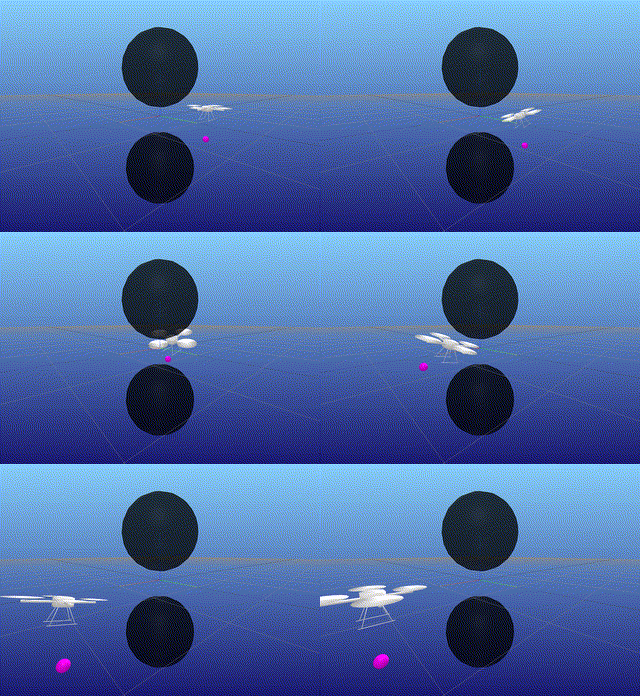
TL;DR: Tactile sensing builds an estimate of unknown object shape and pose, while Bayesian optimization balances exploration with reorientation for insertion, reducing exploration time in simulation.
Efficient Bimanual Handover and Rearrangement via Symmetry-Aware Actor-Critic Learning
Yunfei Li*, Chaoyi Pan*, Huazhe Xu, Xiaolong Wang, Yi Wu
ICRA 2023
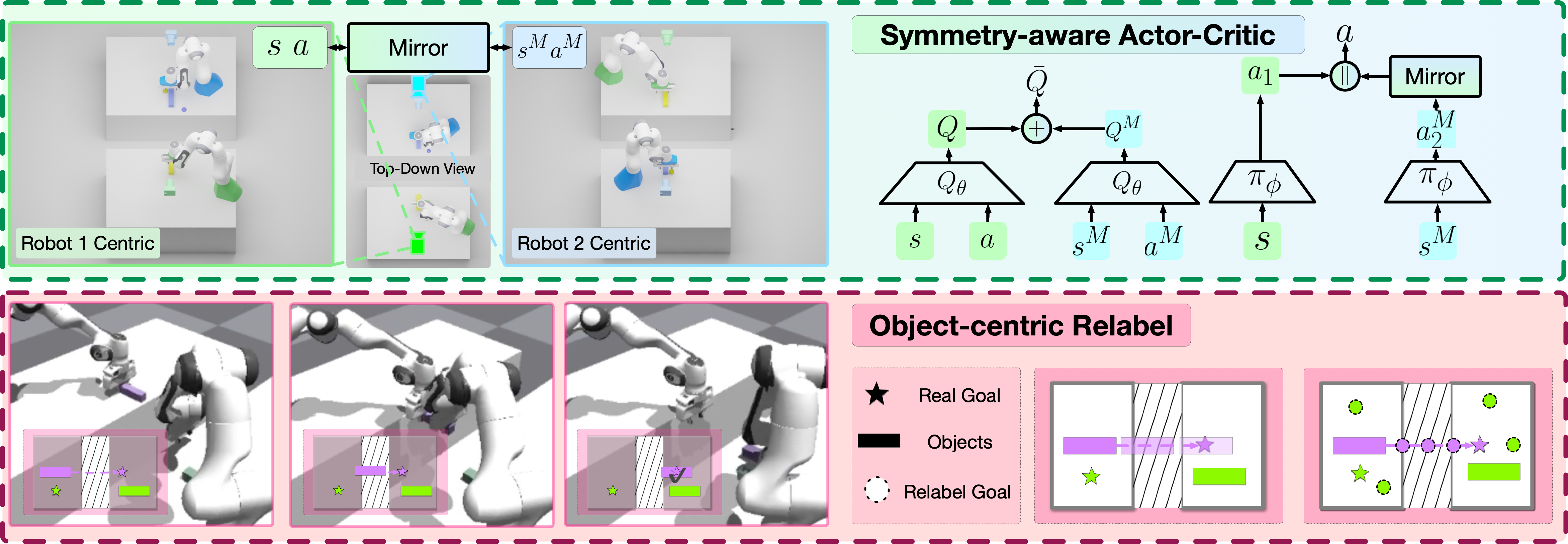
TL;DR: Symmetry-aware actor-critic learning and object-centric goal relabeling help two arms coordinate multi-object handovers and rearrangement, with demonstrations on real robots and in human-robot collaboration.
Flexible Decentralized Displacement-Based Formation Control: A Multi-Agent Reinforcement Learning Approach
Chaoyi Pan, Yuzi Yan, Zexu Zhang, Yuan Shen
EUSIPCO 2022
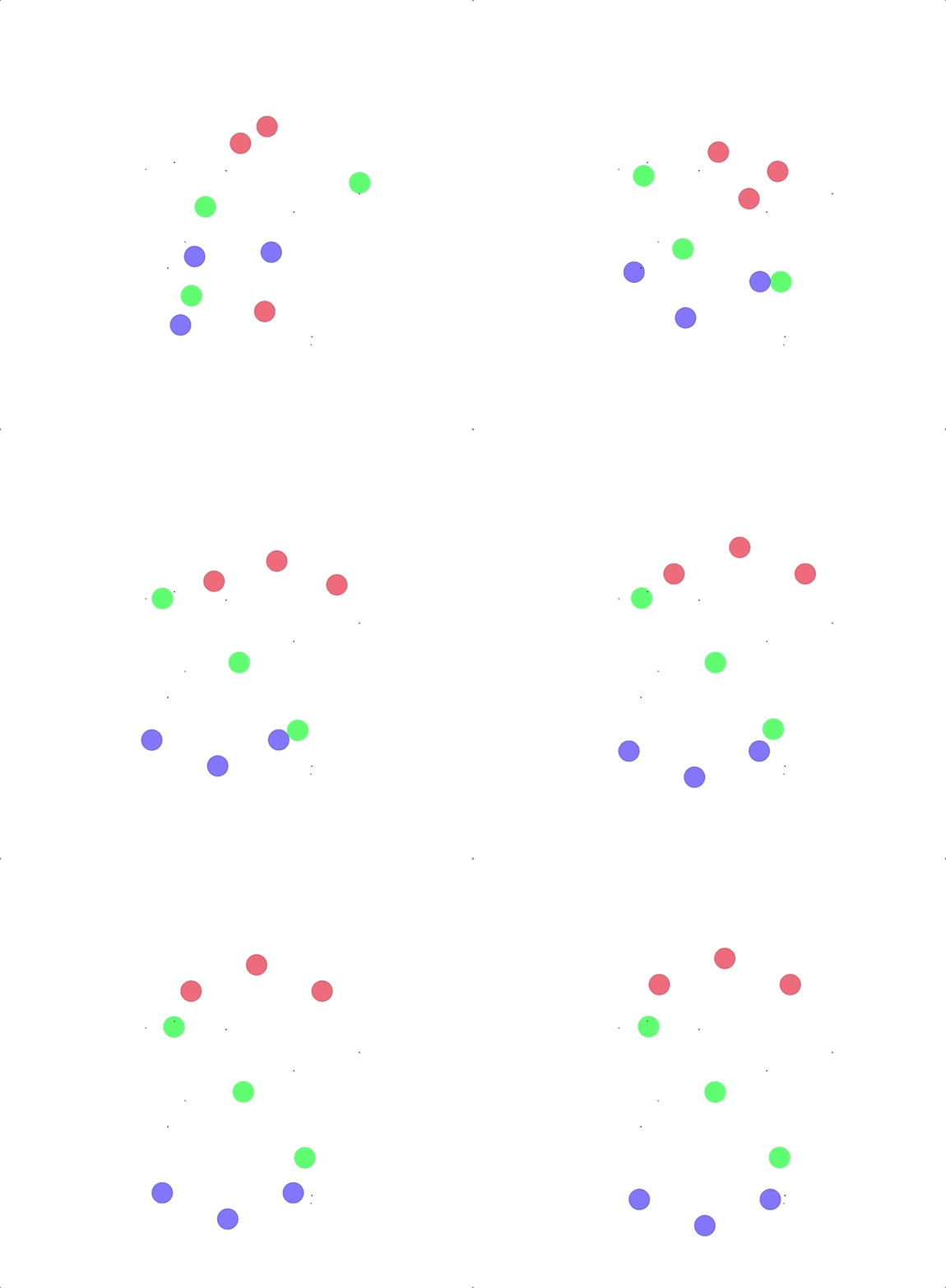
TL;DR: Multi-agent reinforcement learning with a Hausdorff-distance reward trains a decentralized policy for flexible robot formations without a shared global coordinate system, validated in simulation and on mobile robots.